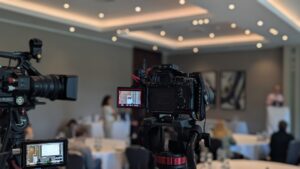

Today, testimonial videos play a critical role in modern marketing and sales. Buyers increasingly rely on real customer experiences before making decisions, especially in high-consideration purchases. A well-produced testimonial video provides social proof, builds trust, and reduces hesitation far more effectively than branded messaging alone.
Why Testimonial Video Production Matters
Testimonial video production helps brands communicate credibility through real voices and real outcomes. Unlike traditional advertising, testimonial videos focus on customer experience, not claims. When done correctly, they support sales conversations, shorten decision cycles, and reinforce confidence across multiple touchpoints.
Client testimonial videos are commonly used to support landing pages, proposals, sales decks, and campaigns. In this guide, you’ll learn how to plan, film, and deliver testimonial videos that feel authentic, professional, and effective — with practical checklists you can apply immediately.
What Is Testimonial Video Production?

Testimonial video production is the process of capturing real customers sharing their experience with a product, service, or brand on camera. These videos are unscripted or lightly guided, focusing on genuine insights rather than promotional language.
Testimonial videos can range from simple interviews to professionally produced shoots with multiple cameras, lighting, and B-roll. Regardless of production level, the objective remains the same: to clearly communicate real problems, real solutions, and real results.
What Makes a Strong Client Testimonial Video?
Authenticity Comes First
Authenticity is the foundation of any effective client testimonial video. Viewers can immediately sense when a testimonial feels overly scripted or forced. The most effective testimonials allow clients to speak naturally, using their own words and tone.
Avoid heavy scripting. Instead, guide the conversation with thoughtful questions and let the client explain their experience in a way that feels honest and comfortable.
Clear Problem → Solution → Result
Strong testimonial videos follow a simple narrative structure. The viewer should understand what challenge the client faced, how your product or service helped, and what changed as a result. This clarity makes the testimonial easier to follow and more persuasive.
Balance Emotion and Practical Outcomes
Effective testimonials combine emotional connection with practical results. Personal stories build relatability, while specific outcomes — such as time saved, revenue growth, or improved efficiency — add credibility and relevance.
Pre-Production Checklist (Planning Stage)

Define Your Objective and Audience
Start by clarifying the purpose of the testimonial. Is it meant to support sales, build trust on a landing page, or reinforce credibility for proposals? Identifying the primary audience — such as decision-makers, end users, or internal stakeholders — will shape the tone, length, and distribution strategy.
Select the Right Client
Choose clients who have achieved clear outcomes and are comfortable sharing their experience. Ideally, they represent your target audience and can articulate specific benefits rather than general praise.
Prepare an Interview Framework
Prepare open-ended questions that encourage thoughtful, natural responses. Common questions include:
- What challenge were you facing before working with us?
- What solutions had you tried previously?
- How did our solution help address the problem?
- What results or changes did you notice?
- Who would you recommend this solution to?
Create a Simple Story Outline
A simple structure helps keep the shoot focused. Outline an opening context, the client’s challenge, the solution provided, the outcome, and a closing takeaway. This ensures you capture all essential points during filming.
Production Checklist: Filming Testimonial Videos
Camera and Audio Setup
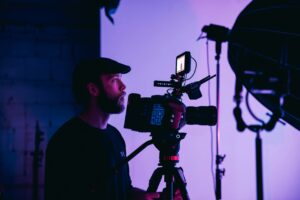
Use a stable camera setup and prioritise clear audio. Whether filming with a professional camera or a high-quality smartphone, audio quality has the biggest impact on perceived professionalism.
- Tripod or stable mount
- Lavalier or shotgun microphone
- Headphones for monitoring
Lighting
Use soft, even lighting to clearly illuminate the subject’s face. Natural window light can work well, or use a simple three-point lighting setup. Avoid harsh shadows and strong backlighting that distract from the subject.
Location and Background
Film in an environment relevant to the client — such as their office or workplace — while keeping the background clean and quiet. Remove visual clutter and unnecessary distractions.
Framing and Direction
Position the camera at eye level and use a medium or medium-close framing. Ask clients to speak to the interviewer rather than directly to the camera for a more natural conversation.
Allow time for warm-up before recording. Most clients become more comfortable after the first few minutes, which leads to stronger responses.
Filming Techniques That Improve Impact

Capture Supporting B-Roll
B-roll footage adds context and visual interest. Capture shots of the client working, interacting with the product, or within their environment. This footage helps illustrate the story and supports smoother editing.
Use Multiple Angles
If possible, record with two cameras to provide editing flexibility. Alternate between wide, medium, and close-up shots to maintain visual variety.
Encourage Natural Expression
Allow pauses, reflections, and natural emotion. These moments often carry more impact than perfectly polished responses.
Post-Production Checklist (Editing Stage)
Select Clear, Relevant Soundbites
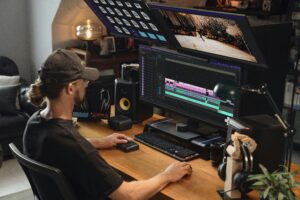
Choose soundbites that clearly communicate the client’s experience and outcomes. Remove filler and repetition to keep the message concise and focused.
Add Subtle Branding
Use lower thirds for names and titles, consistent fonts, and brand colours. Add captions to improve accessibility and support viewers watching without sound.
Music and Sound Balance
Background music should support the tone without overpowering the dialogue. Keep the focus on the client’s voice.
Recommended Length
Aim for 1–2 minutes for most use cases. Longer versions can live on websites, while shorter edits work well for social media and ads.
Where to Use Testimonial Videos
Website
Place testimonial videos on high-impact pages such as the homepage, service pages, and landing pages. Strategic placement can significantly improve conversion rates.
Sales and Marketing Channels
Use testimonial videos in proposals, email campaigns, LinkedIn outreach, and retargeting ads to reinforce credibility and support decision-making.
Common Mistakes to Avoid
Avoid over-editing, scripting responses too tightly, or neglecting audio quality. Testimonials that feel forced or unclear reduce trust. Always end with a clear next step for viewers.
Final Thoughts
Testimonial video production is a long-term investment in trust and credibility. When planned and executed correctly, testimonial videos support sales, strengthen brand perception, and provide reusable assets across multiple channels.