One of the best decisions in today’s competitive business environment is to hire a video production service. Whether you’re creating a brand film, commercial, product video, or corporate content, a well-produced video can amplify your message and create a real impact.
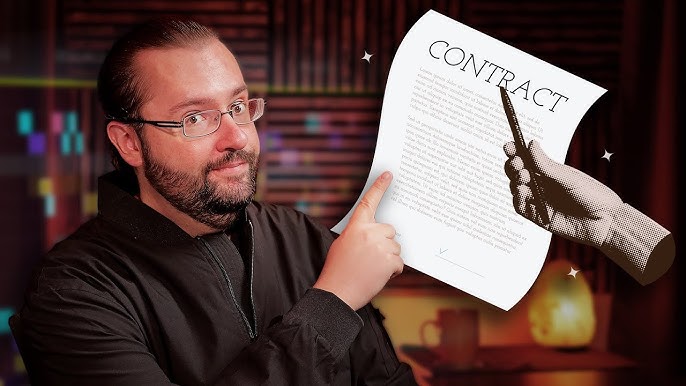
But, before the cameras start rolling and the production team gets to work, there’s one crucial step that often determines the success of the entire project: thoroughly understanding the contract.
A video production contract isn’t just a formality. It sets expectations, protects both parties, and forms the foundation for smooth collaboration. If important details aren’t clear from the start, misunderstandings can arise later in the process, usually when the timeline is already underway and the budget has been allocated.
To help you move forward with confidence, here are some important questions to ask before signing a video production contract.
1. What’s Included in the Scope of Work?
The scope of work is the core of a video production contract. This section outlines what the production team will do and what responsibilities fall on the client.
Detailed questions about costs to consider:
- Pre-production, such as concept development, script writing, location planning, and storyboarding.
- Production process details such as crew size, shooting schedule, equipment, and locations.
- Post-production processes, such as editing, sound design, and others, must also be monitored.
- Communication and project management patterns
Bringing together the same point of view is important. You might think scriptwriting is included in the service, while the production team considers it an additional service.
2. What is the Pricing Structure and What’s Not Included?
Understanding pricing isn’t just about knowing the total cost. Understand what services are included in the fee, and also ask if there are any additional costs that might arise during the production process.
Some important questions include:
- Is the listed price fixed, or will additional costs arise?
- What costs are included?
- Are there any potential additional costs, such as location, talent, props, or transportation?
- What conditions trigger additional charges?
- What is the policy for overtime or production extensions?
Video production involves many components. Without clarity, unexpected costs can arise late in the process. Pricing transparency helps you plan your budget accurately and avoid unwanted surprises.
3. How Many Revisions Are Allowed?
The revision process will definitely occur during the video production process. However, the number of revisions and their limits should be clearly outlined in the contract.
Ask about:
- The difference between minor revisions and major changes
- Additional charges for revisions beyond the limits
- Feedback deadlines
Without limits, the revision process can drag on unduly and delay project completion. Clear revision provisions keep the process efficient while ensuring you have room to improve the final product.
4. Who Owns the Copyright and Usage Rights of the Video?
Ownership and usage rights are one of the most important aspects of a video production contract. You need to be clear about who owns the rights to the video and how it can be used.
Things to clarify:
- Do you have full ownership rights or a usage license?
- Where can the video be distributed (website, social media, advertising, broadcast)?
- Can raw footage be provided, and are there any additional fees?
- Are music, stock footage, and talent properly licensed?
Without clear usage rights, you may be limited in how you can use the video for your business needs. Licensing restrictions can create legal risks or additional costs later.
5. What is the Production Timeline?
Every video production project has structured stages. The contract should outline the schedule from start to finish.
Ask for clarity on:
- Pre-production schedule
- Shooting dates
- Editing timeline
- Feedback period
- Final delivery date
Also ask about delay handling:
- What are the consequences for delays?
- What if the delay is caused by the client?
- Is there a contingency plan for unforeseen circumstances?
Video is often part of a marketing strategy or campaign launch. Delays can impact the overall business plan.
6. What Deliverables Will You Receive?
The contract should clearly outline the final product you will receive. This doesn’t just mean “one video.”
Make sure you get what you initially stated:
- Number of final videos
- Duration as needed
- Video ratio (horizontal, vertical, square)
- Resolution and file format
- Versions for various platforms
- Subtitles or captions, if needed
Deliverables determine how the video can be used across various communication channels.
7. What is the Project Cancellation or Change Policy?
Business priorities can change, and production schedules can shift. A professional contract should outline the project change policy.
Ask about:
- Refund policy
- Rescheduling fees
- Payment obligations if the project is stopped
- Flexibility for timeline changes
Clarity of policies helps maintain a professional working relationship when circumstances change.
8. Who is the Primary Point of Contact?
Clear communication is crucial in creative projects. The contract should specify who the primary contact is.
Make sure you know:
- The main contact or leader of the project team
- The line of communication
- The creative decision approval process
- The problem-solving procedure
Coordinated communication prevents misunderstandings and expedites decision-making.
9. What are the Client’s Responsibilities?
Video production is a collaborative process. In addition to the production team’s responsibilities, you also have a crucial role.
The client’s responsibilities typically include:
- Providing timely feedback
- Approving the concept and script
- Providing brand materials
- Arranging certain permits
- Coordinating internal parties
When both parties understand their roles, the project runs more smoothly and efficiently.
10. What are the Quality Standards and Final Approval?
Creative expectations can differ between the client and the production team. Therefore, quality standards should be agreed upon from the outset.
Ask about:
- Approval criteria for each stage of production
- Documentation of creative direction
- Final approval process
A video production contract is more than just an administrative document. It’s a collaborative guide that ensures a focused and effective creative process. By asking the right questions before signing, you protect your investment, align expectations, and create a strong foundation for collaboration.
If you’re planning a video project and want to work with a transparent and experienced production team, visit SNXP Studio to learn how a professional approach can help bring your vision to life.