Understanding the corporate video production project timeline is crucial for companies looking to invest in professional video content. Whether you’re creating a company profile, brand video, recruitment video, product launch, or internal communications video, understanding each stage of the process will help you manage expectations, manage your budget, and collaborate more effectively with the production team.
A quality corporate video isn’t created overnight. It involves a structured process that combines strategy, creativity, and technical planning. Below is a complete explanation of the corporate video production timeline, from initial consultation to final distribution.
Why Is Understanding the Video Production Timeline Important?
Understanding the video production timeline from the outset will help companies plan their projects more strategically and measurably. With a clear timeline, all parties can work more focused and minimize the risk of obstacles mid-process. A structured timeline allows you to:
- Unify creative direction between the brand and production team
- Reduce potential delays that could impact campaign costs and schedules
- Manage internal approval processes more efficiently
- Set a reasonable launch target
- Ensure optimal and professional quality of the final product
Generally, corporate video production takes around 4 to 8 weeks. This duration is usually flexible depending on the complexity of the concept and the required revisions.
1. Initial Consultation & Briefing (Week 1)
Every project begins with an initial discussion session. The main goal is to understand the business objectives, target audience, key messages, and expectations for the final product.
Activities Involved:
- Initial consultation sessions, both online and in-person
- Discussion of video objectives and functions (branding, promotion, internal communications, etc.)
- Determining the target audience segment
- Aligning the production plan with the available budget
- Planning the project schedule
- Confirming the core message and key values to be conveyed
Parties Involved:
- All company marketing teams.
- Producer
- Creative director or project manager
Estimated Duration: 3–5 days.
Influencing Factors:
- Clarity of the brief
- Internal approval process
- Finalizing the budget
A clear brief will expedite the entire subsequent process.
2. Concept Development (Weeks 1–2)
Once the brief is agreed upon, the creative team begins developing ideas. Translate business objectives into compelling visual concepts and narratives.
Activities:
- Brainstorming
- Moodboard creation
- Determining tone and visual style
- Presenting the concept to the client
The concept can be cinematic, documentary, testimonial, animated, or a combination.
Parties Involved:
- Creative director
- Scriptwriter
- Producer
- Client
Estimated Duration: 5–7 days.
Influencing Factors:
- Number of concept options
- Revision process
- Speed of feedback
3. Script Writing (Week 2)
After the concept is approved, the scriptwriting stage begins. This stage involves developing a clear and effective storyline.
Activities include:
- Drafting the script
- Refining the message
- Writing the voice-over narrative
- Developing the visual structure
A good script should be communicative and concise.
Parties Involved:
- Scriptwriter
- Creative Director
- Client
Estimated Duration: 3–7 days.
Influencing Factors:
- Video Length
- Number of Revisions
- Company Data Availability
4. Pre-Production (Weeks 2–3)
This stage focuses on technical and logistical planning. The goal of this stage is to prepare all necessary equipment before the shoot.
Activities:
- Casting Talent (if necessary)
- Location Survey
- Permit Processing
- Shooting Schedule Preparation
- Shot List Preparation
Parties Involved:
- Producer
- Production Manager
- Director
- Cinematographer
- Client
Estimated Duration: 1–2 weeks.
Thorough planning at this stage will minimize obstacles during filming.
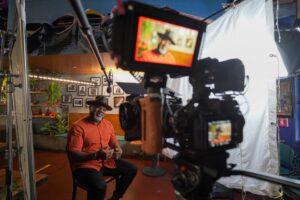
5. Production/Filming (Weeks 3–4)
To capture all footage according to the script and shot list.
Activities:
- Shooting according to the script
- Visually recording both main and additional shots
- Close-up shots of several details to highlight their strengths
- Using a drone for aerial photography, if necessary
- Principal shots based on the established storyline
Parties Involved:
- Director
- Camera team
- Sound engineer
- Lighting crew
- Talent
- Client representative
Estimated Duration: 1–3 days for standard projects.
Influencing Factors:
- Number of locations
- Weather
- Complexity of the technical setup
6. Post-Production (Weeks 4–6)
This phase transforms raw footage into the final video. This phase involves developing the story, enhancing the visuals, and improving the audio quality.
Activities:
- Assembling the initial version of the video as a basis for evaluation (first cut)
- Developing motion graphics to enrich the display and clarify information
- Improving sound quality for clarity and balance
- Curating and synchronizing background music to support the emotion and rhythm of the story
- Recording and synchronizing voiceovers with visuals
- Implementing additional visual effects as needed by the concept
Team Involved:
- Editor who composes and refines the video structure
- Motion graphic artist who handles animation elements
- Audio engineer who manages sound quality and composition
- Colorist who is responsible for color consistency
- Creative lead who ensures the final result remains aligned with the brand’s vision and strategy
Estimated Duration: 2–3 weeks.
Influencing Factors:
- Graphic complexity
- Number of revisions
- Speed of feedback
7. Revisions & Feedback (Weeks 5–7)
This stage is crucial for refinement. This is the process of adapting the video to client feedback.
Activities:
- First cut delivery
- Client review
- Revisions
- Final cut delivery
- Final approval
Estimated Duration: 1–2 weeks.
Influencing Factors:
- Number of stakeholders
- Scale of revisions
- Clarity of feedback
Structured feedback will expedite the process.
8. Final Delivery & Distribution (Weeks 6–8)
The final stage is the delivery of the final product.
Activities:
- Export in various formats
- Versioning for social media
- Adding subtitles
- Adjusting video ratio
Estimated Duration: 3–5 days.
Estimated Total Timeline
In general:
- Simple internal video: 4–5 weeks
- Brand video or marketing campaign: 6–8 weeks
- Large-scale, multi-location project: 8+ weeks
The more complex the project, the longer the timeline will be.
Tips for an Efficient Project
To ensure a project runs more efficiently, the first step is to appoint a key decision-maker. Furthermore, schedule executive meetings well in advance.
Projects will be completed more quickly by providing clear and specific feedback. And most importantly, entrust the technical aspects to a professional team. Solid collaboration will result in more effective and timely videos.
A corporate video production timeline is a structured process that ensures every stage, from idea to distribution, runs optimally. By understanding the flow, companies can plan their content strategy more thoroughly and achieve maximum results.
If you’re planning a professional corporate video project, visit SNXP Studio to learn how an experienced production team can help you realize your brand vision effectively and strategically.