

Video marketing is one of the most effective ways to promote your brand, communicate your message, and convert viewers into loyal customers. Today’s audiences expect video at every stage of their journey, which means a strong video marketing strategy is no longer optional—it’s a competitive advantage.
After working on countless campaigns across corporate, commercial, testimonial, and social-first formats, we’ve seen firsthand how the right video strategy can increase visibility, build trust, and drive measurable results. This guide covers the essentials of video marketing, why it’s crucial for modern businesses, and how to build a strategy that actually boosts performance.
Why Video Marketing Matters for Your Business

Video isn’t just popular—it’s the format where your audience already spends most of their time. But beyond the trend, here are the real reasons businesses rely on video today.
Video Outperforms Other Content Formats
Studies like the Wyzowl “State of Video Marketing” report show that 91% of marketers now use video. But beyond the data, real-world campaigns consistently show the same outcome: video gets shared more, remembered more, and acted on more than static content.
Video Builds Trust Quickly
Seeing your team, product, customers, or process creates immediate credibility. Brands that implement testimonial videos, behind-the-scenes content, or founder-led messaging usually see a lift in trust and conversions within weeks.
Your Audience Already Prefers Video
Whether they’re researching a product, comparing solutions, or learning something new—most consumers choose video over text. Meeting them where their attention naturally is gives your brand an advantage.
Video Helps SEO and Website Performance
Pages with embedded video tend to keep people engaged longer. Longer dwell time signals value to search engines, improving your ranking potential. Google also displays video thumbnails in search results, driving higher click-through rates.
Video Makes Your Product Easier to Understand
Explainer videos, demonstrations, or simple tutorials allow customers to see your solution in action. This reduces confusion, speeds up decision-making, and increases conversions across your funnel.
Key Benefits of a Strong Video Marketing Strategy
Broader Reach Across Multiple Platforms
You can repurpose one core video across social media, ads, your website, email campaigns, and more. This multiplies visibility without increasing workload.
Higher Attention and Engagement
Movement, sound, pacing, and emotion make video stand out. It captures and holds attention far more effectively than text or images.
Stronger Brand Authority and E-E-A-T
Video showcases your real experience. When you publish tutorials, industry insights, or behind-the-scenes processes, you demonstrate expertise rather than simply claiming it.
Better Conversions Throughout the Funnel
Different types of videos serve different stages:
-
Awareness → Short social videos, brand stories
-
Consideration → Explainers, comparisons, educational content
-
Decision → Testimonials, case studies, demos
A good strategy combines them into a cohesive system.
Clearer Brand storytelling
Video simplifies complex ideas and delivers emotion efficiently, helping your audience understand who you are and why you matter.
9 Essential Tips for Building a Video Marketing Strategy That Works
1. Define a Clear Goal
Your video must have one purpose: awareness, consideration, or conversion. A video that tries to do everything will accomplish nothing.
2. Understand Your Audience and Their Problems
Identify your buyer persona, what they care about, what they fear, and what motivates them. Craft your message as the solution to their pain points.
3. Follow a Proven Story Structure
Effective marketing videos follow a simple formula:
-
The viewer has a problem
-
Your brand guides them toward a solution
-
The video shows the outcome of choosing you
People respond to clarity and narrative, not complexity.
4. Prioritize Strong Audio and Visuals
Blurry visuals are forgivable; bad audio isn’t. Invest in lighting, clear microphones, stable shots, and clean editing. Quality directly impacts perceived trust.
5. Create a Flexible Creative Process
Messaging evolves. Scripts change. Ideas shift. Build a workflow that allows creative adjustments without derailing the project.
6. Set a Realistic and ROI-Focused Budget
Decide what can be done in-house and what should be outsourced. Your budget should support your business goal, not limit your creative potential.
7. Optimize for Silent Viewing
Most social videos are watched without sound. Use subtitles, motion graphics, and on-screen text to ensure your story still makes sense.
8. Keep Videos Short and Focused
You have seconds to capture attention. Deliver the key message quickly, especially for social media. When in doubt, cut it shorter.
9. Always Include One Clear CTA
Every video should direct viewers to the next step.
Examples include:
-
Visit your website
-
Download a guide
-
Book a call
-
Sign up or subscribe
A video without a CTA is only content—not marketing.
Popular Video Types for Your Business Strategy
Advertisements
Short, high-impact videos designed to attract new customers on YouTube, social ads, or TV.
Social Media Videos
Fast, scroll-stopping content made for platforms like TikTok, Instagram Reels, and YouTube Shorts.
Explainer Videos
Clear, visual explanations that show what you do, how it works, and why it matters.
Testimonials and Case Studies
Real customers sharing real results. One of the most powerful tools for building trust and influencing purchase decisions.
The Three Stages of Professional Video Production
Pre-Production: Planning
This includes creative strategy, scripting, storyboarding, scheduling, and logistics. Strong pre-production saves time, money, and stress.
Production: Filming
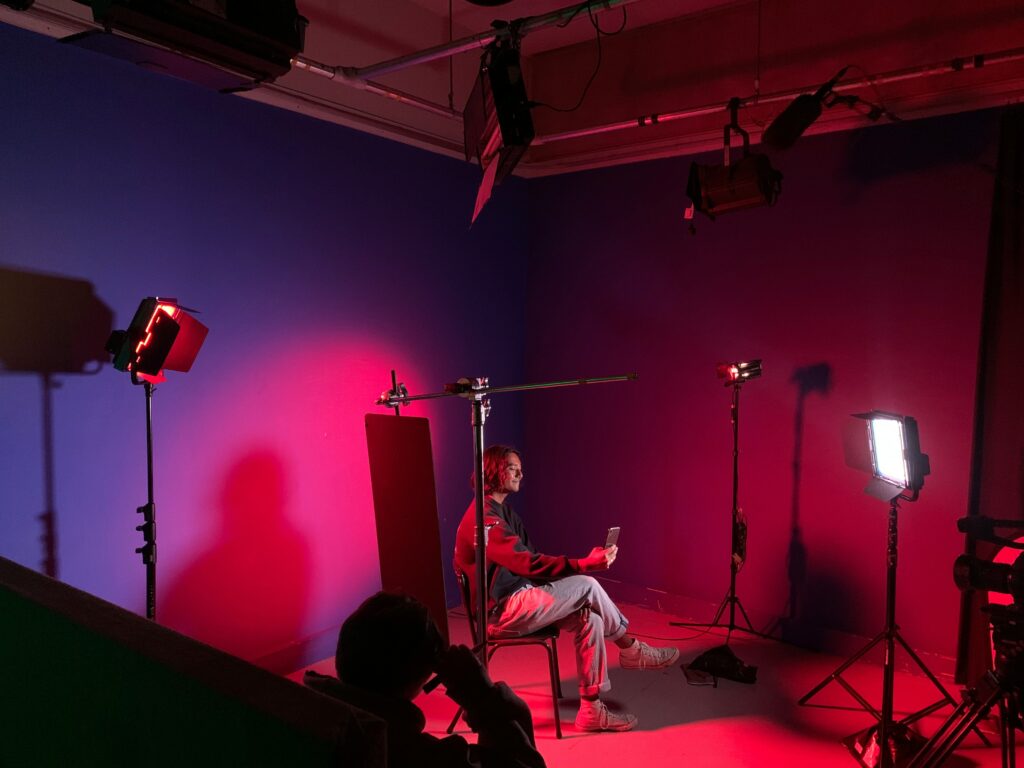
This is where visuals, sound, lighting, and talent come together. Every detail affects how your brand will be perceived.
Post-Production: Editing
Editing, color grading, graphics, sound design, and revisions shape the final story. Post-production determines how polished and persuasive your video feels.
Choosing the Right Video Production Partner
A good agency understands that video is both creative and strategic. When evaluating partners, look for:
Experience: A portfolio that reflects the style and results you want.
Expertise: An understanding of marketing goals—not just beautiful shots.
Authority: Testimonials, case studies, industry recognition.
Trustworthiness: Transparent pricing, clear communication, and a structured process.
The right production partner will elevate your message, not just record it.
Conclusion
A strong video marketing strategy isn’t about creating “nice videos.” It’s about building trust, telling clear stories, and guiding viewers toward meaningful action. When done right, video becomes one of your most powerful marketing tools—boosting awareness, driving conversions, and strengthening your brand long-term.