Quick Summary: The film production stages cover planning, shooting, and finishing, with each phase producing specific materials needed for the next step. The video production process starts with creative development and logistical preparation, continues through filming, and ends with editing, sound, color, and final quality control. A well-planned production keeps the crew, schedule, equipment, locations, and deliverables aligned from the first meeting to final export.
Producing a film or professional video involves far more than putting a camera on a tripod and pressing record. A typical project may involve script development, location scouting, casting, crew coordination, equipment preparation, filming, data management, editing, sound mixing, color work, and multiple review stages.
Understanding each stage makes it easier to build a realistic production plan.
What Are the Main Film Production Stages?
The main film production stages are preparation, filming, and post-shooting finishing. Although they are commonly treated as separate phases, decisions made during one stage directly affect the next.
A production team may begin with a creative brief and develop it into a script, treatment, storyboard, shot-list, production schedule, and call sheet. These documents give the director, producer, camera team, lighting crew, talent, and other departments a shared reference before shooting begins.
1. Pre-Production: Preparing Before the Shoot
Pre-production is where the creative idea is translated into a practical shooting plan. The team establishes what needs to be filmed, where it will happen, who is involved, and what equipment and resources are required.
Typical tasks include:
- Developing the concept and visual direction
- Writing the script or treatment
- Creating a storyboard or shot-list
- Casting talent
- Scouting and checking locations
- Preparing camera, lighting, and audio equipment
- Building the crew list
- Creating the shooting schedule
- Arranging permits and location access
A location may look suitable in photographs but create practical problems once the crew arrives. The team needs to check parking, electricity, ambient sound, natural light, camera positions, crew space, and access for equipment.
2. Production: Capturing the Footage
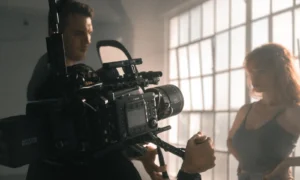
Production is the actual shooting phase, when the planned scenes are captured on camera and the required audio is recorded. The crew follows the shot-list and schedule while making adjustments when conditions change.
A single setup can take longer than expected because of lighting changes, talent blocking, camera movement, sound problems, or additional takes. The producer and assistant director therefore need to monitor the schedule throughout the day.
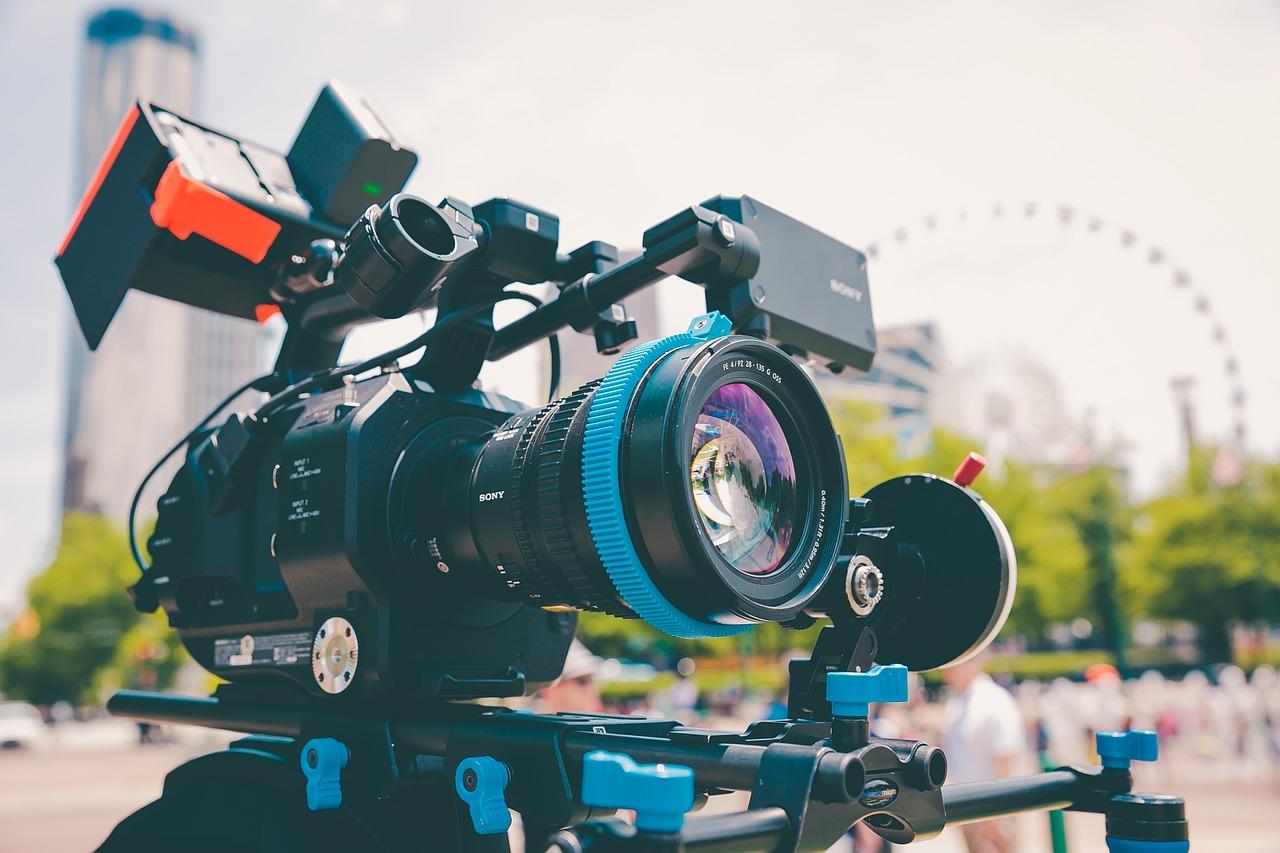
Equipment depends on the project’s requirements. A production may use cinema cameras such as the ARRI ALEXA or Sony FX series, supported by different lenses, tripods, gimbals, lighting fixtures, wireless microphones, boom microphones, and external audio recorders.
Audio requires particular attention. A visually strong interview can still become unusable if the dialogue contains traffic noise, air-conditioning noise, wind, or microphone interference. The sound team may use a lavalier microphone together with a boom microphone to provide additional recording options.
3. Post-Production: Turning Footage Into the Final Video
Post-production begins once the footage has been backed up and organized. This stage turns raw images and audio into a finished piece through editing, sound work, color correction, graphics, visual effects, and final exports.
The editor first reviews and organizes the footage before selecting usable takes. Large productions may use proxy files to make editing smoother when working with high-resolution camera footage.
One important milestone is picture lock. At this point, the visual structure and timing are considered final enough for downstream finishing work.
How Long Does the Video Production Process Take?
The video production process can take anywhere from a few days to several weeks or longer, depending on the project’s scope.
A simple interview video might require one shooting day and several days of editing. A commercial involving multiple locations, actors, wardrobe, art direction, complex lighting, and visual effects will require a longer schedule.
The timeline should include more than the shooting dates. Creative development, preparation, location checks, equipment booking, editing, client reviews, revisions, color grading, sound mixing, and final delivery all require time.
What Can Go Wrong During Film Production?
Many production problems can be reduced through better preparation. An unrealistic shot-list, insufficient setup time, poor location checks, missing equipment, or unclear deliverables can create delays during shooting.
Data management is another critical area. Camera cards should be backed up as soon as practical, with the files verified before cards are reused. For larger productions, maintaining multiple copies of the footage reduces the risk of losing irreplaceable material.
Understanding the film production stages gives producers and clients a clearer view of what needs to happen before, during, and after a shoot. The video production process depends not only on cameras and equipment but also on preparation, location planning, crew coordination, data management, editing, sound, color, and quality control.
Frequently Asked Questions
What are the three main film production stages?
The three broad stages are preparation, filming, and post-production. Each stage has different responsibilities and deliverables, but they work together as one production workflow.
What is the difference between filming and editing?
Filming captures the original video and audio material. Editing then selects and arranges that material to create the project’s final structure, pacing, and narrative.
When does color grading happen?
Color grading normally takes place after the edit has reached picture lock. Technical color correction is used to create consistency before the final creative look is applied.
Why is sound recording important during production?
Poor production audio can be difficult to repair later. Clean dialogue, room tone, and properly recorded ambient sound give the post-production team better material to work with.