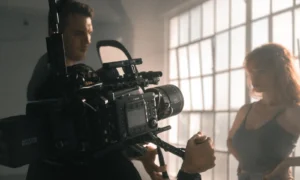

A video release form is a written agreement. It is given by a person to the production team to record them. The recorded things are images, voice, and statements. Later, the footage will be used for specified purposes.
On corporate shoots, consent for testimonial videos can become complicated when the interviewee is an employee, executive, customer, or partner. It is important for the related person to know where the video content or footage will be published.
A too-complicated legal document is not required in a release. Make sure to respect the boundaries.
Why Does A Testimonial Shoot Need A Release?
A verbal statement is not as important as the release. Make it clear to the subject of where the footage will be published. It also gives the production team a document that can be referred to if questions arise after delivery.
The Testimonial hub is a good point to start. Before handling the consent, make sure to not skip it.
What Should A Simple Release Cover?
The identity of the person who is going to be filmed. It should also describe where the footage may be used.
At minimum, check that the document covers:
- Permission to record the subject’s image and voice.
- Permission to edit the recorded material.
- The intended media channels.
- The geographic scope of the permission.
- The expected duration of usage.
- Whether the footage may be reused in future edits.
- The company should transfer the footage when needed.
- The subjects have the right to ask questions.
The wording should reflect the actual production. If the plan is a corporate testimonial for a website and LinkedIn, there is little benefit in using an unnecessarily broad description that creates confusion for the interviewee.
International campaigns definitely need attention in wording. Publishing the campaign across the country should think about it.
How Do You Handle A Nervous Corporate Interview Subject?
A nervous subject usually needs clarity more than reassurance. Make sure that the subject knows the paper they signed and what will happen to the footage later. The same principle applies to filming consent. The subject must be aware of the recording agreement and camera performance.
It is better to have spare time in a quiet place to talk about the agreement. Better not to have it when all the filming preparation is ready. It is reasonable that the subject ask their legal team to review the agreement.
What Happens If The Subject Wants Changes?
A subject who asks to narrow the usage rights is telling you that the current wording does not match their expectations. The subject may be okay with the company publishing but refuses to pay for the ads. Some of them agree to post the footage on organic social media, but not others.
Record agreed changes clearly. The release might need significant changes. It is important to review the wording again. In the discussion room, everything should be clear.
How Do Usage Rights Work Across Different Markets?
The usage rights are channel distribution, duration, and reposting. A narrower campaign will need a narrower grant, and the global project will need the bigger one.
Imagine when there is Jakarta content that was filmed for a company in Malaysia. The content might be posted on the Indonesian web but for a regional campaign. The original release must have clear international distribution. If not, then the production team needs another approval.
Duration matters as well. A three-month campaign is different from perpetual usage. Market-specific requirements can also differ. The standard language of the release must be determined. Then, you know if it is appropriate for the target market. The paperwork can be made by the production team.
When Should The Release Be Signed?
Get the video release form signed before recording the interview.
The production step is as follows:
- The identity and role of the interviewee are confirmed.
- Explain the purpose of the shoot.
- Review the intended usage.
- Give the subject time to read the release.
- Answer practical questions.
- Obtain the signature and date.
- Store the signed document with the project records.
- Start filming only after the paperwork is complete.
An electronic signature must be completed correctly by the responsible person in charge. Then move into the interview. Technical preparation still matters. The producer must ensure all filming components are in place.
For practical shooting techniques, How to film a great client testimonial covers the production side that follows once the consent process is in place.
What Should Producers Remember?
The subject must understand the release statement itself. The signed document will make the production team relieved, but the subject still does not understand it clearly.
Keep the conversation direct. Make a clear explanation of where the footage will be published and whether it is in accordance with regulations.
You can use the SNXP Studio service to learn about the video release form as part of production planning. It is not just administrative paperwork. Appropriate filming consent protects the subject’s thinking. The production team also has a great recording and clear intended usage.
Frequently Asked Questions
Does every interview content needs a release?
Not every recording situation has identical requirements. The subject will determine everything. The purpose and intended publication are also important.
Can a company use testimonial footage forever?
It depends on what the agreement permits. The producer must be careful when reusing the footage.
Can a subject withdraw consent after signing?
That depends on the wording of the agreement and the circumstances. The subject’s concerns must be taken seriously.
Should international campaigns use different releases?
Several reviews are necessary when the publication is across countries. Media channels and their territory must be considered beforehand.