
Testimonial video production is not simply about recording a satisfied customer talking about a product or service. A strong testimonial video combines a genuine customer story, thoughtful interview questions, professional visuals, and natural editing to create content that feels credible rather than overly promotional.
For brands, customer testimonials can provide social proof that is easier for potential customers to relate to than traditional advertising. Instead of telling audiences that a product works, a testimonial allows an actual customer to explain the problem they faced, the solution they chose, and what changed afterward.
How to Record a Testimonial Naturally
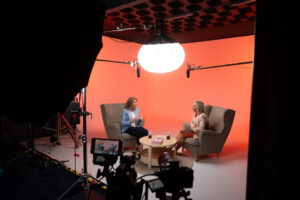
If you are wondering how to record a testimonial, begin with a comfortable environment and a simple interview setup.
Good lighting, clean composition, and clear audio are important, but the customer’s comfort should receive equal attention. Use suitable microphones to capture their voice clearly and choose a background that supports the brand without distracting from the speaker.
During the interview, allow the customer to answer in their own words. Avoid interrupting too quickly when they pause or search for an answer. Sometimes the most useful part of an interview comes immediately after a short pause, when the subject begins explaining something more personally.
Nervousness is also normal. If a subject becomes uncomfortable, take a short break. Remind them that retakes are completely fine and encourage them to take a breath before continuing. Small mistakes, pauses, or natural reactions do not always need to be removed.
In many cases, these moments make the story feel more genuine.
Testimonial Questions That Encourage Better Answers
Avoid asking questions that can be answered simply with “yes” or “no”; instead, encourage the customer to explain how they use the product or describe the effects they have experienced.
Useful testimonial questions include:
- What issues have arisen, and did you ever seek a solution on your own before using our services or products?
- What led you to consider using our services or products over others?
- How was your experience during the process?
- What changes have you noticed since using the solution?
- Is there a particular result or experience that stands out?
Follow-up questions are equally important. If a customer mentions an interesting result, ask them to explain what happened or why it mattered. This can turn a short answer into a more useful story.
Best Practices for Customer Testimonial Video
A strong testimonial should feel authentic while still benefiting from professional production.
- Keep the conversation natural. Avoid giving customers long scripts that make their delivery sound rehearsed.
- Focus on specific experiences. Concrete examples are generally more convincing than broad statements.
- Prioritize audio quality. Poor sound can make even well-shot footage difficult to watch.
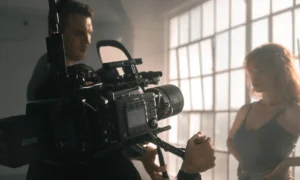
- Use multiple shots. Different framing and supporting footage can make the final edit more engaging.
- Keep the edit focused. Remove unnecessary repetition and filler while preserving natural pauses and personality.
- Add captions. Subtitles make the video easier to follow, especially when watched without sound.
- Avoid turning it into an advertisement. Product features can be mentioned, but the customer’s experience should remain the center of the story.
How to Get Customers Comfortable on Camera
Not every satisfied customer will immediately feel confident in front of a camera. Production teams can make the process easier by explaining what will happen before filming begins.
Sharing the general topics or questions in advance can reduce uncertainty. During the shoot, the interviewer should maintain a conversational tone instead of making the subject feel as though they are taking an examination.
If an answer does not come out clearly, simply ask the customer to try again. A retake does not mean the first answer was a failure. Giving people permission to pause and restart often helps them relax.
Where to Use Testimonial Videos
A finished testimonial can support different stages of the customer journey. Brands can place it on relevant website pages, service pages, landing pages, sales presentations, email campaigns, or social media.
Longer interviews can also be edited into shorter clips for platforms such as LinkedIn, Instagram, YouTube, or other digital channels.
Instead of creating one version and using it everywhere, consider adapting the footage to suit each platform. A short clip can highlight one strong customer statement, while the full version can provide more context on a website or sales presentation.
Conclusion
Successful testimonial video production brings together authentic storytelling and thoughtful production. The objective is not to make customers sound perfect, but to help them communicate their real experiences clearly.
The most effective testimonials give potential customers something more valuable than a sales message: a real experience they can understand and relate to.
Frequently Asked Questions
- How long should a testimonial video be?
There is no fixed duration. A short testimonial may work well at around 60–120 seconds, while a more detailed customer story can be longer if every section contributes useful information.
- Should customers memorize a script?
Generally, no. Preparing talking points is useful, but memorizing complete sentences can make the delivery sound unnatural.
- What equipment is needed?
At minimum, you need a suitable camera, reliable microphone, and appropriate lighting. The exact equipment depends on the location, production requirements, and intended use of the video.
- What if the customer is nervous?
Give them time to settle in. Take a short break, encourage them to breathe, and remind them that retakes are normal.