The price of editing is rarely determined by the length of the finished video alone. Usually, 5 minutes video requires about 30 minute’s interview. Revisions and extensive editing make it costly. The audio, editing, and music will be more complicated. Understanding all the aspects makes it easier to get the video editing rates.
What does a typical edit actually include?
There are some stages before the video is ready to be delivered. Editing and finishing can be done only after approval. The complex workflow affects more than the video’s runtime.
How Can Projects With Similar Runtime Have Different Costs?
Even for 3 minutes video can take more amount of time in post-production. The amount of footage, editing, or graphics requirements affects the cost.
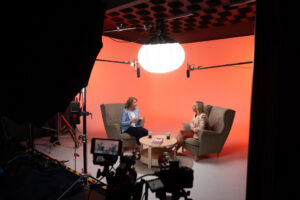
Consider a simple interview. If the production records one locked-off camera and clean lavalier audio, the editor may have a straightforward selection process. The work changes when there are three cameras, a separate recorder, several interview takes, and hours of B-roll.
The editor now has to synchronize material, compare angles, maintain continuity, remove unwanted pauses, manage audio tracks, and decide where supporting footage should enter the sequence.
The amount of material matters too. For clients comparing a quotation, video editing cost should therefore be viewed in relation to the amount of editorial work required rather than the final runtime alone.
How To Understand The Difference Between A Rough Cut And A Finished Video?
A rough cut establishes the story. A finished edit makes that story ready for an audience. During a rough cut, an editor concentrates on structure. The editor determines the working material and sequence.
A Finished Version Goes Much Further
Dialogue is cleaned and balanced. Music levels are adjusted. Unwanted sounds are removed where possible. Titles are checked for timing and spelling. Transitions are refined. Correcting the color will give a consistent visual. This distinction matters when reviewing quotes. The rough cut will show the storyline, but does not represent the process duration until the final cut.
Where Does The Editor Spend Most Of The Time?
The early stages are the most time-consuming. It is when the editor does the small work. A long interview needs a long time to edit. The footage will determine how the storyline goes.
A practical workflow might look like this:
1. Ingest and organize
Camera cards are copied, folders are structured, and media is checked. This makes the file organizing process can be done quickly.
2. Review and select
The editor watches the material and marks usable sections. The editor will see the bad takes and background noise that need to be removed.
3. Build the story
Selected material is placed into a sequence. It is to tighten the interview, and some sections are removed.
4. Refine the edit
Timing becomes more precise. Adjusting cuts and pauses is important. The sequence is adjusted to the audience and platform.
5. Technical work finishing
Handling the audio, graphics, and color. That variation is one reason there is no single universal editing price.
How Much Video Editing Rates Should You Expect To Pay?
The pricing depends on the project type and finishing requirements. It is better to have planning references than to get a fixed budget.
A simple edit is enough for small footage and simple cutting. A corporate video will need advanced editing. Commercial productions can go further still. Different motion graphics will take more time.
Make sure to ask for the complete quotation when you are calculating the budget. Check if the runtime might differ for a similar runtime. Check our video editing rate calculator and get the quotation.
What Are You Actually Paying For?
The useful question is not simply how much an editor charges per finished minute. It is how much professional time is required to turn raw material into an approved master.
That includes judgment. The editor will determine the best take. It also includes technical labor. Media must be organized. Audio needs attention. Color has to be balanced. Files must be checked before delivery.
In other words, what you pay for in editing is a combination of decision-making, craft, technical preparation, and revision time.
This is also why post-production, why it matters and is worth understanding before setting a production budget. The most important post-production sequence is the editing. The decision during the shoot affects the production timeframe.
How Should You Estimate Your Project Before Production?
Start with the footage rather than the final runtime. Calculate the cameras needed. The amount of material must be discussed. The interview complexity must be analyzed. Then, determine all the graphic aspects.
Then define the expected deliverables. A single 16:9 master is different from a package containing horizontal, vertical, and square versions. Each additional version may require reframing and checking.
Finally, establish the revision process. The editor will know the workload because of the brief. SNXP Studio is the best partner to do the editing and video production. Clear budgeting will determine the video editing rates of finished video.
Frequently Asked Questions
Are video editing rates usually based on the final video length?
Not necessarily. Editors may consider footage volume, project complexity, and number of cameras, audio requirements, graphics, revisions, and finishing work. Final runtime is only one factor.
What makes a 5-minute video take some days of edit?
A short finished video can require extensive footage review and storytelling decisions. Multi-camera and graphic requirements are the main aspects of long editing time.
Does color grading come after the rough cut?
Usually, yes. The rough cut focuses on story and structure first.
How to estimate the editing budget without footage?
Collect the expected footage details. You can then use the video editing rate calculator to create an initial estimate.