If you are asking what is a fashion film, the simplest answer is a short-form film that uses fashion, cinematography, movement, sound, and narrative to communicate an idea rather than simply document clothing.
A runway video records a show. A product video demonstrates an item. A fashion film builds a visual story around the clothes, collection, designer, model, or brand.
A fashion film may require the same production disciplines as a commercial, but the brief often gives more room to work with atmosphere, performance, camera movement, unusual locations, and editorial pacing.
What Makes a Fashion Film Different?
A fashion film is defined by how fashion is integrated into the story, not by a fixed running time or camera style. The clothing remains important, but it does not have to be presented through conventional product shots or direct selling.
The creative brief usually determines three things before the camera is prepared:
- What should the audience feel?
- What should the clothing communicate?
- What visual language supports the collection?
This affects everything from lens selection to lighting, casting, location, styling, music, and edit rhythm.
How Is a Fashion Film Planned?
Strong fashion film production starts with a visual treatment, not with a camera booking. The treatment defines the concept, references, color direction, locations, styling, movement, and intended rhythm before the production team turns the idea into a shooting plan.
For a professional shoot, the pre-production process normally includes:
- Creative concept: Establish the central idea, mood, and visual references.
- Treatment and storyboard: Translate the concept into scenes, compositions, and transitions.
- Casting: Select models based on the character and movement required, not only appearance.
- Location scouting: Check light, access, power, noise, space, permits, and weather exposure.
- Wardrobe planning: Map each outfit to specific scenes and account for changes between takes.
- Shot-list: Define essential wide, medium, close-up, detail, movement, and transition shots.
- Production schedule: Build realistic time for lighting, wardrobe changes, hair and makeup, rehearsals, and resets.
What Camera and Lighting Setup Works for Fashion Films?
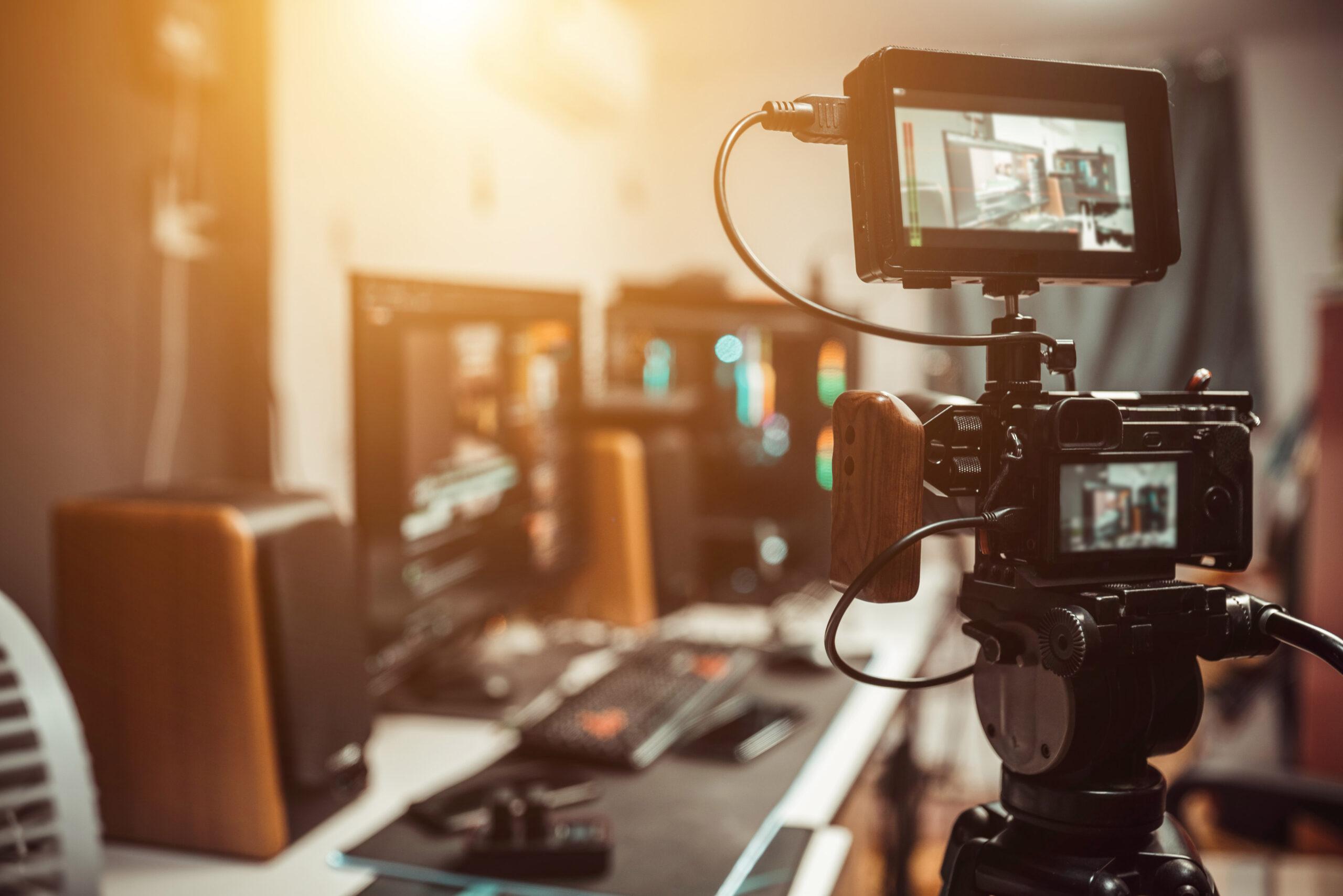
There is no single camera setup for a fashion film. The equipment should follow the visual treatment and delivery requirements.
Lens choice changes how clothing appears on screen. A 24mm lens can establish a location and exaggerate movement, while a 50mm or 85mm lens is useful for portraits and fabric details with less environmental distortion.
Lighting requires the same level of planning. A large soft source can create clean, controlled skin tones, while harder directional light can produce stronger shadows and graphic shapes.
What Happens During the Shoot?
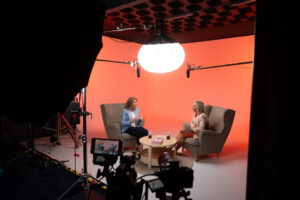
Production is where the concept is tested against real conditions. The director, cinematographer, stylist, hair and makeup team, models, and crew need to work from the same shot plan while leaving enough flexibility for useful discoveries on set.
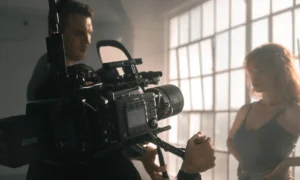
A fashion videographer may capture several versions of the same movement because small differences in timing can significantly change the edit. A slow turn, fabric movement, or walk toward camera might be repeated with different lens distances or camera speeds.
A typical shooting block may involve:
- Lighting and camera setup
- Wardrobe and makeup preparation
- Blocking and movement rehearsal
- Technical rehearsal
- Hero takes
- Detail and insert shots
- Alternate camera angles
- Wardrobe continuity checks
- Location or lighting reset
High frame rates can be useful for fabric movement or controlled slow motion, but they should have a purpose. Shooting everything at high frame rates creates more data without automatically producing a better film.
How Is a Fashion Film Edited?
The edit determines whether the footage becomes a coherent film or simply a collection of attractive shots. Editors normally begin by organizing footage according to scenes, outfits, performances, and visual motifs before building the sequence.
Music often becomes an important structural element. Cuts may follow rhythm, but they do not have to match every beat. A stronger approach is to use changes in music, movement, or sound to determine when the visual pace should shift.
Sound design also matters. Footsteps, fabric movement, environmental sound, camera movement, and carefully selected transitions can make a short fashion film feel more grounded.
Why Does the Production Process Matter?
A fashion film may look spontaneous on screen, but the strongest results usually come from detailed preparation. Every decision made before the shoot affects what the crew can capture during production and what the editor can build afterward.
The most important question is not simply what is a fashion film, but what the film needs to communicate and how every production choice supports that message.
For brands, designers, agencies, and creative teams working in Jakarta or Bali, that means treating the project as a film production from the beginning. Concept, casting, wardrobe, location, lighting, camera movement, sound, editing, and grading should work as one system.
Frequently Asked Questions
- What is a fashion film?
A fashion film is a short cinematic production that combines fashion with visual storytelling, movement, sound, and a defined creative concept.
- How long should a fashion film be?
There is no fixed duration. Many digital fashion films run from around 30 seconds to several minutes, depending on the concept and distribution platform.
- What is the difference between a fashion film and a fashion commercial?
A fashion commercial usually focuses more directly on selling or promoting a product. A fashion film can prioritize narrative, atmosphere, artistic direction, and visual experimentation.
- Do fashion films need professional video production?
For campaigns involving multiple locations, models, styling, controlled lighting, and commercial delivery, professional production helps coordinate the creative and technical requirements from pre-production through final delivery.