When planning filming locations Bali, the obvious choices are usually beaches, rice terraces, villas, and resort properties. These can work, but they are not always practical for corporate and brand productions. Tourist traffic, noise, limited parking, restricted access, and changing light can turn a visually attractive location into a difficult shoot.
For an incoming director or an experienced Bali production house, the useful question is not simply where Bali looks good. It is where a crew can unload equipment, position cameras and lights, manage talent, record usable sound, and obtain the required permission.
Where To Film In Bali Beyond The Usual Tourist Locations?
Sidemen is useful when a production needs agricultural landscapes, village roads, traditional compounds, and views toward Mount Agung without relying on the busiest parts of Ubud.
The area can work for corporate films, lifestyle campaigns, hospitality content, and brand stories that require a rural Indonesian environment. However, road access and equipment movement should be checked carefully. A location that works for a small camera package may not be practical for a larger lighting setup.
Munduk offers a different environment, with forested areas, plantations, hillside roads, and cooler surroundings. It can suit outdoor lifestyle productions and hospitality projects where a greener visual environment is required.
Both areas require more attention to weather and transport planning than central urban locations. A recce should include the actual route from the production vehicle to the proposed camera position.
Are Coastal Areas Useful Beyond Bali’s Famous Beaches?
Yes. Sanur, Kedonganan, and parts of Bali’s east and southeast coast can provide coastal visuals without relying entirely on the island’s most crowded beaches.
Sanur can be practical when a production needs access to the coast while remaining close to accommodation, restaurants, roads, and production support. Early morning generally provides softer light and lower pedestrian activity.
Kedonganan can be useful for food, seafood, local business, and community-focused productions. Its working coastal environment creates a different visual language from a luxury resort beach.
For sunrise or early-morning shoots, crew call time should be scheduled before the intended shooting window. Camera, lighting, makeup, and talent preparation still take time even when the location itself is already accessible.
Which Locations Work Well For Corporate Video?
Corporate productions do not always need a recognizable Bali landmark. Offices, cafés, workshops, warehouses, commercial buildings, private compounds, and architecturally interesting properties can provide more useful environments.
Denpasar can be particularly practical for corporate productions requiring offices, commercial streets, local businesses, and operational environments. These settings can communicate an Indonesian business context without making the video look like tourism content.
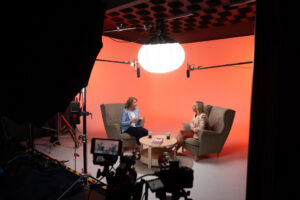
For hospitality and property brands, villas and boutique properties in areas such as Canggu, Kerobokan, Ubud, and Seminyak can offer controlled interiors and exteriors, with many production teams referencing a reliable Canggu studio guide when looking for specific studio layouts and technical amenities.
How Should Permits And Access Be Handled?
Location permissions should be confirmed before the shooting schedule is finalized.
The production team should identify who controls the location, permitted shooting hours, equipment restrictions, parking arrangements, crew limits, and any additional community or site approvals.
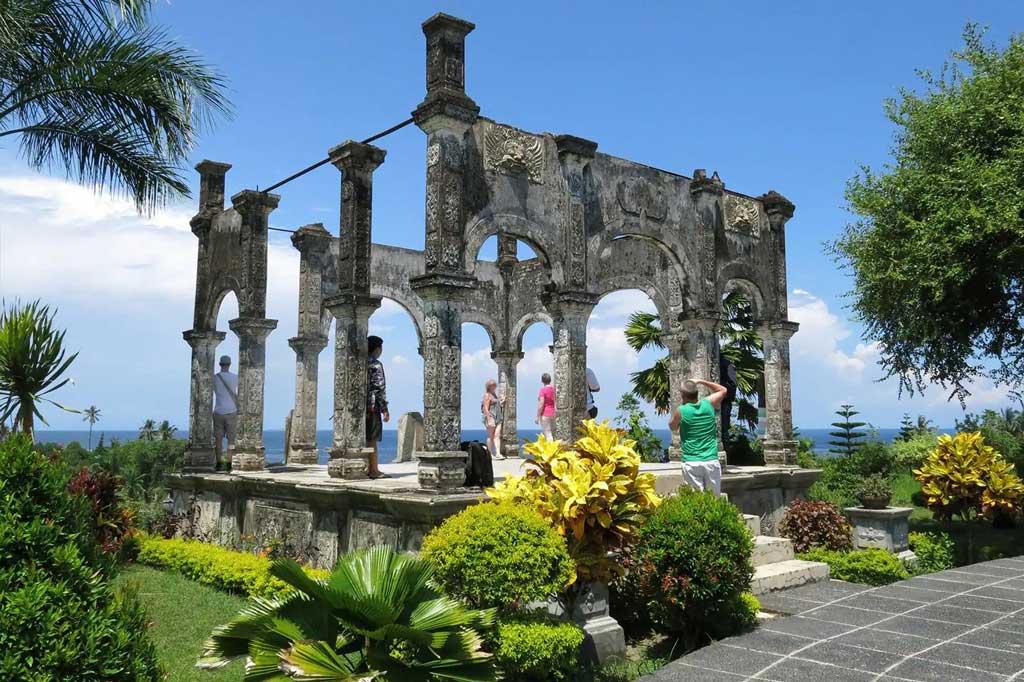
Cultural locations require additional consideration. Temples and other religious sites should not be treated like ordinary commercial locations.
Conservation areas can have formal permit requirements. Additionally, productions must stay compliant with local Bali drone rules if aerial filming is part of the operational plan. Balai KSDA Bali states that commercial photography and video activities in relevant conservation areas can require SIMAKSI approval.
Bali’s calendar should also be considered. Nyepi is a major production constraint because normal transportation and public activity stop during the observance.
Why Is A Location Recce Important?
A recce reveals problems that location photographs cannot show.
During a recce, check the intended camera position, lens choice, natural light, sound, parking, equipment access, power, talent holding areas, and weather exposure.
For example, a wide shot may look perfect on a 24mm lens but leave no room for a key light. An interview may look good from one angle but place traffic noise directly outside the frame.
The recce should also test practical movement. Can a camera operator move safely? Can a C-stand be positioned without blocking a walkway? Can equipment reach the set without disturbing customers or guests?
This is particularly important when selecting Bali video locations for corporate productions, where interviews, product shots, B-roll, and multiple setups may need to happen in the same location.
What Should You Check Before Locking A Location?
Start with the shot-list rather than choosing a location first. Establish the required environments, number of talent, camera package, lighting needs, shooting hours, and access requirements.
Then shortlist several locations and conduct a recce. Compare them based on how well they support the actual production rather than how attractive they appear online.
For international productions, location planning should also be coordinated with permits, crew, transport, accommodation, and equipment requirements.
The best filming locations Bali offers are not necessarily the most famous. They are the locations where the visual brief, access, light, sound, permissions, and crew logistics all work together.
Frequently Asked Questions
What are some alternatives to popular Bali filming locations?
Sidemen, Munduk, Sanur, Denpasar, Kedonganan, and selected areas of eastern Bali can provide different environments for corporate and brand productions.
Do filming locations in Bali require permits?
It depends on the location. Private properties, public areas, cultural sites, and conservation areas can have different permission requirements.
What is the best time for outdoor filming in Bali?
Early morning and late afternoon often provide softer light, but the ideal time depends on the location, camera direction, weather, and creative requirements.
Can rural Bali locations accommodate professional equipment?
Some can, but access varies considerably. Vehicle access, road conditions, equipment carrying distance, and available space should be checked during the recce.